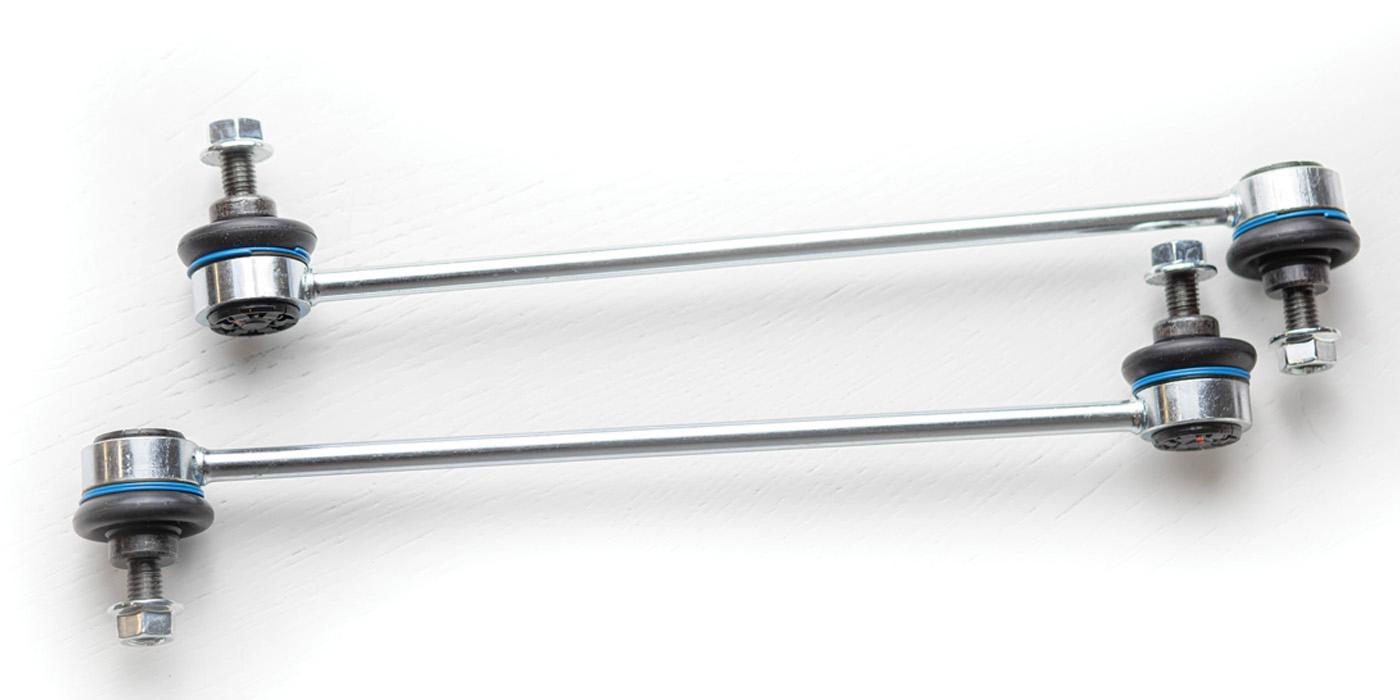
How Do Stabilizers Enhance the Smoothness of Your Products?
Stabilizers play a crucial role in enhancing the smoothness of various products, particularly in the food, cosmetic, and pharmaceutical industries. These substances help maintain the desired consistency and texture by preventing the separation of ingredients, which can often lead to an unpleasant user experience. For example, in food products like sauces and dressings, stabilizers ensure that oil and water components do not separate, creating a uniform and appealing consistency. This improvement in texture not only enhances the sensory experience for consumers but also extends the shelf life of products by minimizing the likelihood of spoilage.
Moreover, stabilizers can significantly impact the overall performance and efficiency of products. In cosmetics, for instance, they help achieve a velvety texture that allows for better application and absorption into the skin. This smoothness can enhance the perceived quality of the product, leading to increased customer satisfaction. Additionally, in pharmaceuticals, stabilizers ensure that active ingredients remain evenly dispersed, facilitating consistent dosing and efficacy. Therefore, the use of stabilizers is vital for ensuring that products meet both aesthetic and functional standards in their respective markets.
Counter-Strike is a popular multiplayer first-person shooter game that emphasizes teamwork and strategy. Players can choose to play as terrorists or counter-terrorists, with distinct objectives in each round. For photography enthusiasts, the right equipment can enhance your skills; check out the Top 10 iphone photography accessories to elevate your mobile photography experience.
The Science Behind Stabilizers: Why They Matter for Stability and Texture
Stabilizers play a crucial role in enhancing the texture and stability of various food products, ensuring they maintain their intended quality over time. These substances work by binding water and fat molecules, preventing unwanted separation and enhancing mouthfeel. For instance, in dairy products like ice cream and yogurt, stabilizers help to maintain a smooth consistency and prevent the formation of ice crystals. Without stabilizers, these products would be less appealing, both in taste and appearance, leading to a diminished consumer experience.
Furthermore, the science behind stabilizers is rooted in their ability to influence the physical properties of mixtures. They achieve this by altering the viscosity of a solution or emulsion, creating a stable product that resists changes due to temperature or handling. Common examples include gelatin, pectin, and xanthan gum, each selected based on their specific textural benefits and compatibility with other ingredients. By understanding the science of stabilizers, manufacturers can formulate products that not only look and taste better but also offer improved shelf life and stability.
Common Misconceptions About Stabilizers: What You Need to Know
Stabilizers are often misunderstood in the realm of photography and videography. One common misconception is that stabilizers are only necessary for professional equipment. In reality, even amateur photographers and videographers can benefit from using stabilizers to enhance their footage. These tools help eliminate unwanted shakes and jitters, resulting in smoother shots regardless of the camera's quality. As a result, many enthusiasts are choosing to invest in stabilizers to improve their hobby.
Another prevalent myth is that all stabilizers function in the same way. In fact, there are two main types of stabilizers: mechanical and electronic. Mechanical stabilizers rely on weighted gimbals to counterbalance your camera, while electronic stabilizers use motors and sensors to achieve stabilization digitally. Understanding the differences between these types can greatly impact your selection process based on your specific needs, whether for action shots, cinematic film, or even vlogging.