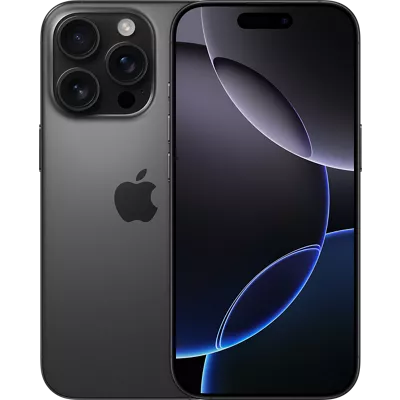
The Allure of iPhone: Exploring Apple's Design Philosophy
The allure of the iPhone lies not just in its functionality but in the meticulous design philosophy that Apple has cultivated over the years. From the very first model to the latest iterations, Apple has consistently prioritized a seamless user experience, characterized by sleek lines, intuitive interfaces, and an emphasis on portability. This design ethos is not merely about aesthetics; it's rooted in Apple's commitment to integrating hardware and software to create a cohesive ecosystem that users find irresistibly attractive. The careful selection of materials, the precision in engineering, and the crispness of the display all serve to enhance the overall appeal of the iPhone, making it a coveted item for millions worldwide.
At the core of Apple’s design philosophy is the pursuit of simplicity and elegance, encapsulated in the principle of 'less is more.' This philosophy is evident in features like the minimalist home screen, which eliminates clutter and distractions, and the streamlined functionality of iOS, which empowers users without overwhelming them. Moreover, Apple's commitment to sustainability is increasingly reflected in its design choices, ensuring that each new iPhone is not only beautiful but also environmentally responsible. As we explore the richness of Apple's design philosophy, it becomes clear that the iPhone is more than just a device; it is a symbol of innovation that continues to set trends in the tech industry.
Counter-Strike is a highly popular tactical first-person shooter game that emphasizes team-based gameplay and strategic planning. Players can choose to take on the role of terrorists or counter-terrorists, each with unique objectives. For gamers looking to enhance their experience, exploring Top 10 iphone accessories for creators can be very beneficial. The game has spawned various iterations and remains a staple in the eSports community, known for its competitive nature and skill-based mechanics.
10 Features That Keep Us Coming Back to the iPhone
The iPhone has captivated users around the globe with its seamless integration of cutting-edge technology and user-friendly design. One feature that stands out is the iOS ecosystem, which provides a cohesive experience across various Apple devices. When users purchase an iPhone, they open the door to a suite of applications and services that work flawlessly together, such as iCloud, AirDrop, and Handoff. This interconnectedness is a game-changer, allowing for hassle-free data sharing and continuity in tasks, which keeps users coming back for more.
Another reason why the iPhone remains a favorite is its unwavering commitment to security and privacy. With features like Face ID, end-to-end encryption, and regular software updates, users feel confident that their data is safeguarded. As privacy concerns continue to rise globally, Apple's dedication to protecting user information stands as a strong selling point. Furthermore, the quality of the iPhone's camera technology and AI capabilities enhances user experience, making it not just a phone but a powerful tool for creativity and communication.
Is the iPhone Addiction Real? A Look at User Behavior
The phenomenon often referred to as iPhone addiction has sparked considerable debate among researchers and psychologists. With the increasing integration of smartphones into our daily lives, numerous studies have indicated that users may exhibit behaviors akin to those associated with substance addiction, including withdrawal symptoms when devices are not accessible. According to a 2020 survey, approximately 60% of respondents reported feeling anxious when separated from their phones, highlighting a potential dependency that extends beyond mere convenience.
Moreover, the effects of iPhone addiction can manifest in various aspects of life, from diminished social interactions to decreased productivity. The constant notifications and access to social media platforms can create a cycle of engagement that is hard to break. Some experts suggest implementing strategies such as scheduled phone-free times or using applications designed to limit screen time, which may help mitigate these addictive behaviors. As we delve deeper into the implications of this digital relationship, it becomes clear that understanding user behavior is crucial in addressing the challenges posed by our reliance on these devices.