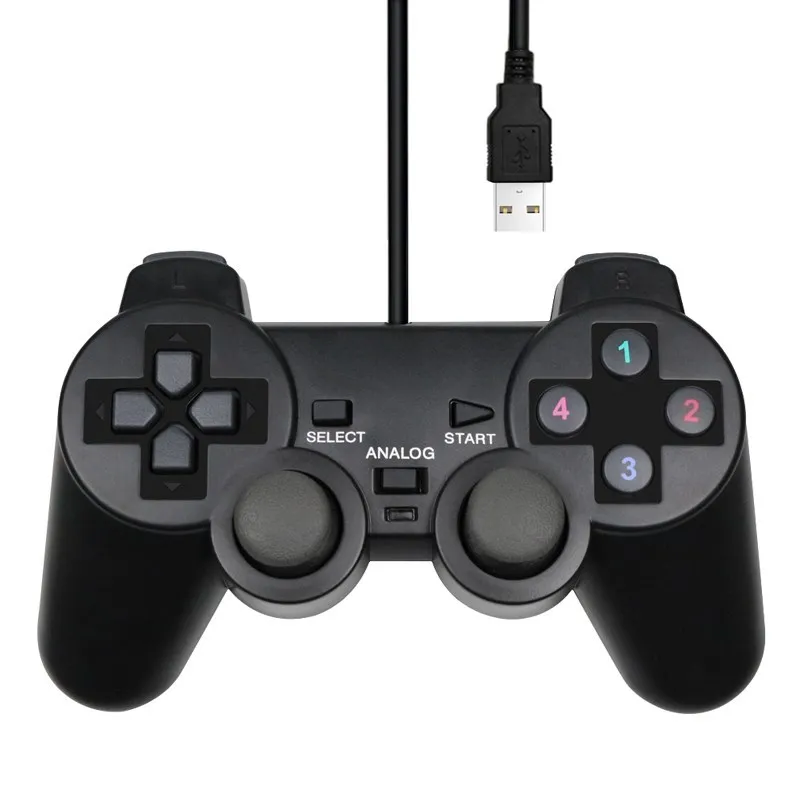
Gamepad vs. Keyboard: What’s the Best Input Method for Different Game Genres?
When it comes to gaming, the choice between a gamepad and a keyboard can significantly influence the gameplay experience, particularly across different genres. For instance, in action-adventure and racing games, a gamepad often reigns supreme due to its ergonomic design and analog sticks, providing smoother control over a character's movements and camera angles. On the other hand, genres like first-person shooters (FPS) and real-time strategy games (RTS) may benefit from the precision and quick reflexes that a keyboard and mouse setup offers. This distinction stems from the input methods' inherent strengths—while gamepads excel in comfort and accessibility, keyboards offer a wider range of commands at the player's fingertips, allowing for faster reactions and more complex actions.
Ultimately, the best input method can depend on personal preference and gameplay style, but understanding the strengths of each can help players optimize their gaming experience. For complex MMORPGs, the keyboard’s ability to bind numerous commands allows for intricate control over character abilities and inventory management. Meanwhile, if a player enjoys platformers or sports simulations, the gamepad provides a more engaging and intuitive experience that feels natural. In conclusion, the key lies in recognizing what fits best with the specific genre and individual playstyle, ensuring that players can fully immerse themselves in their gaming adventures.
Counter-Strike is a highly popular tactical first-person shooter that has captivated gamers since its release. With its emphasis on team-based strategies and skillful play, it has become a staple in competitive gaming. If you're looking for the best gear to enhance your experience, check out the Top 10 apple tv gaming controllers for a great gaming session.
The Pros and Cons of Gamepads: Are They Worth the Investment?
Gamepads have become a staple in the gaming community, offering a variety of benefits that enhance the gaming experience. One of the primary advantages is their ergonomic design, allowing players to enjoy long gaming sessions without discomfort. Additionally, many modern gamepads come equipped with advanced features such as haptic feedback and programmable buttons, which can provide a more immersive experience. Furthermore, using a gamepad is often more intuitive for casual gamers compared to keyboard and mouse controls, making it easier for newcomers to dive into the gaming world.
However, there are also several drawbacks to consider before making an investment in a gamepad. One major con is the cost; high-quality gamepads can be quite expensive, and prices may vary significantly based on brand and features. Additionally, not all games are optimized for gamepad use, which can lead to a subpar gaming experience for certain genres, such as real-time strategy games or competitive first-person shooters. Lastly, the reliance on batteries can be inconvenient, especially in wireless models, as players may find themselves needing to recharge or replace batteries frequently.
Is the Gamepad Making Gamers Lazy? A Deep Dive into Gameplay Dynamics
The advent of the gamepad has revolutionized the way we engage with video games, allowing for a level of precision and comfort previously unattainable. This shift has spurred a debate among gamers, developers, and psychologists: is the gamepad making gamers lazy? While it can be argued that gamepads allow for a more relaxed playing position, potentially leading to a more sedentary lifestyle, they also provide an opportunity for enhanced gameplay dynamics. Gamepads can facilitate faster reflexes, intricate combinations, and an immersive experience that can actually promote engagement, suggesting that laziness may not be the inevitable outcome of this technological advancement.
However, if we consider gameplay dynamics and their effects on physical activity, it becomes clear that moderating gamepad use is essential. Rather than outright condemnation, we should focus on balance. Physical activity can coexist with gaming; for instance, games that require players to move, like rhythm-based or augmented reality games, encourage a more active lifestyle. On the flip side, excessive reliance on the gamepad for traditional gaming can lead to a decline in physical fitness and social interaction, reinforcing the idea that lazy gaming habits can emerge. Gamers must strive for moderation to ensure their passion remains a healthy part of their lives.