The Ultimate Guide to Ergonomic Dance Moves for a Pain-Free Workday
In today’s fast-paced world, finding ways to incorporate ergonomic dance moves into your workday can significantly enhance your comfort and productivity. These movements are designed to relieve tension, improve posture, and promote overall well-being. Start by warming up your muscles with simple stretches and light movements, such as shoulder rolls and neck stretches. Integrating these dancing techniques into your daily routine can also boost your mood. Here are a few easy steps to get started:
- Hip Swings: Stand with your feet hip-width apart and gently sway your hips from side to side, loosening up your lower back.
- Wrist Spins: Extend your arms in front of you and rotate your wrists in circular motions to alleviate any stiffness.
- Foot Taps: While seated, tap your feet rhythmically to activate blood circulation.
Incorporating ergonomic dance moves throughout your workday not only keeps you physically active but also serves as a fun and engaging way to relieve stress. Remember to take regular breaks to stand up and move; even a short dance session can invigorate your mind and refresh your focus. Try playing your favorite tunes and letting loose for a few minutes every hour. To get the most out of this practice, pay attention to your body’s cues—if you feel any discomfort, adjust your movements accordingly. By embracing these creative expressions, you’ll not only combat fatigue but also promote a pain-free workday that allows you to thrive both personally and professionally.
Counter-Strike is a highly popular tactical first-person shooter game that emphasizes teamwork and strategy. Players join either the terrorist or counter-terrorist team, competing in various game modes to accomplish mission objectives. For those who enjoy gaming comfortably from a couch, check out the Top 10 Laptop Stands for Couch for a better gaming experience.
5 Simple Desk Exercises to Keep Your Back Happy While You Work
In today’s digital age, many of us find ourselves glued to our desks for hours on end, leading to discomfort and back pain. Incorporating simple desk exercises into your daily routine can significantly enhance your overall well-being. Here are 5 simple desk exercises that can help keep your back happy while you work:
- Seated Torso Twist: While sitting in your chair, place your right hand on the back of your chair and gently twist your torso to the right. Hold for 10-15 seconds, then switch sides. This exercise promotes flexibility in your spine.
- Shoulder Shrugs: Sit up straight and lift your shoulders towards your ears. Hold for a moment, then relax them down. Repeat this 10 times to relieve tension in the upper back.
- Neck Stretch: Gently tilt your head to the right, bringing your ear towards your shoulder. Hold for 15 seconds, then switch to the left side. This stretch can alleviate stiffness.
- Sitting Cat-Cow Stretch: While sitting, arch your back and look up (Cow) then round your back and tuck your chin (Cat). Repeat this 5-10 times for spinal relief.
- Wrist and Finger Stretch: Extend one arm in front, palm up, and use the other hand to gently pull back your fingers. Hold for 10 seconds and switch hands. This keeps your wrists and hands flexible.
Is Your Office Setup Dancing You Into Pain? Tips for a Healthier Workspace
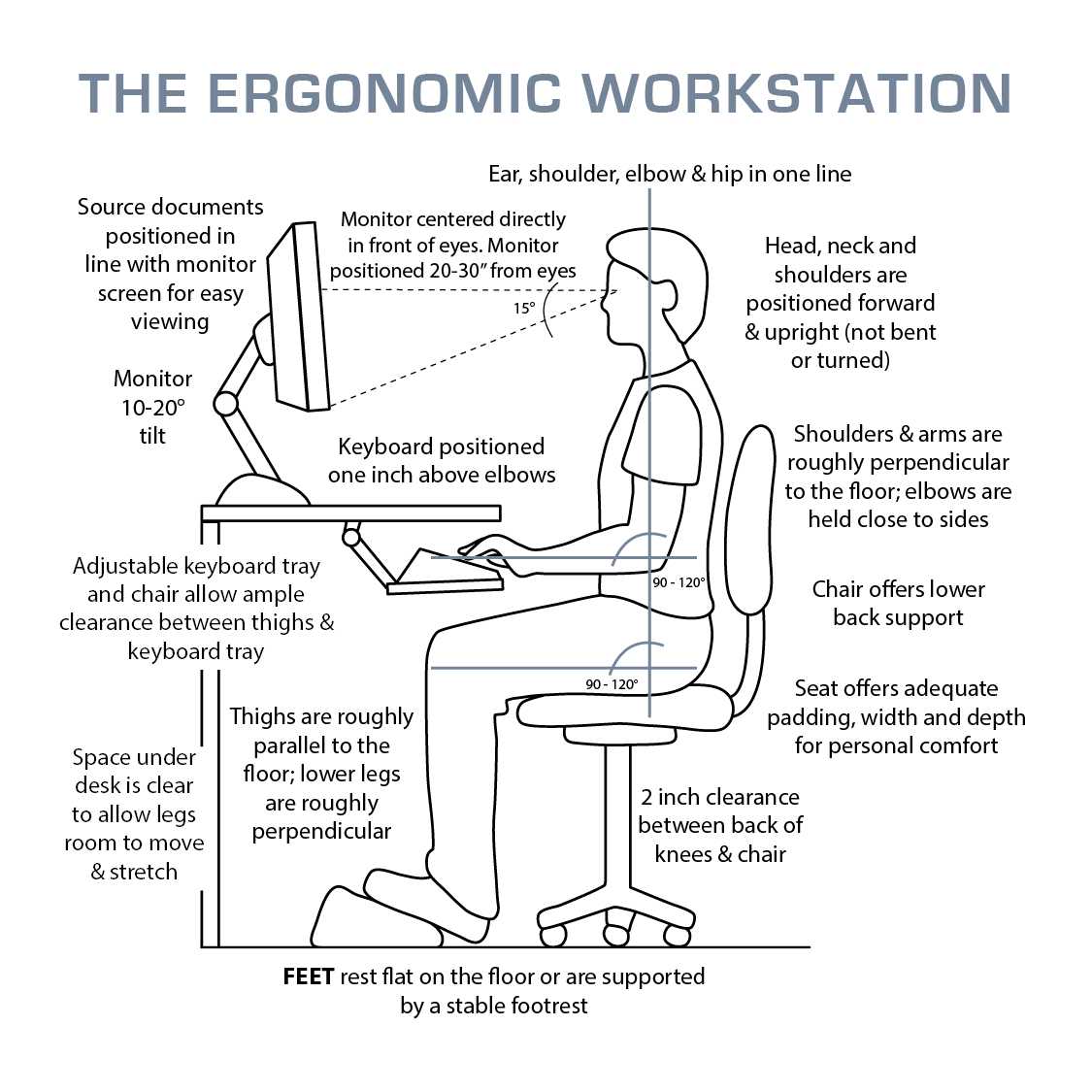
Many professionals find themselves spending long hours at their desks, often leading to discomfort or even chronic pain. An office setup that lacks ergonomics can turn your workspace into a breeding ground for issues like neck strain, back pain, and repetitive stress injuries. Is your office setup dancing you into pain? It might be time to assess your current arrangement. Simple adjustments, such as ensuring your chair supports your lower back and your computer screen is at eye level, can greatly reduce strain. Consider investing in an ergonomic chair and accessories that promote a healthier posture.
To further enhance your workspace, here are some tips for a healthier workspace:
- Take regular breaks: Stand up, stretch, and move around every 30 minutes.
- Desk organization: Keep your workspace tidy, placing frequently used items within reach to avoid straining.
- Optimal lighting: Ensure your workspace is well-lit to reduce eye strain.