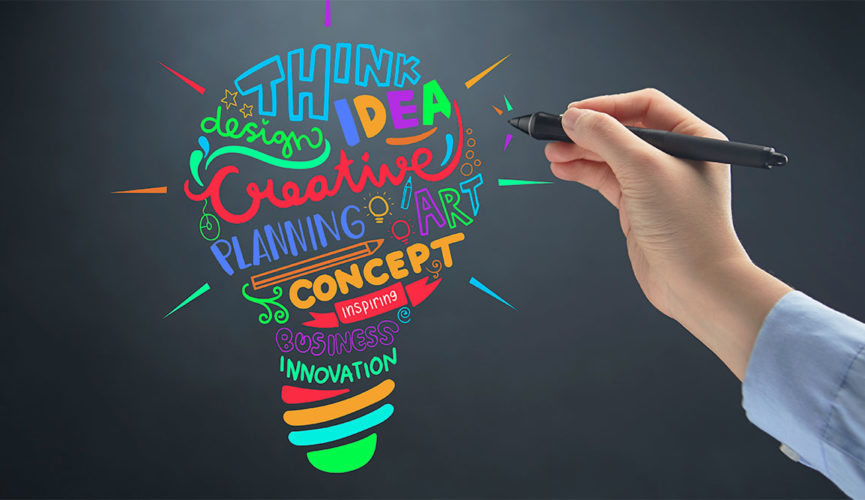
The Psychology Behind Color: How Colors Influence Our Emotions in Design
The influence of color on human emotions is a profound aspect of design psychology, where each hue evokes specific feelings and reactions. For instance, red often symbolizes passion and energy, making it a popular choice for brands aiming to ignite excitement. On the other hand, blue tends to evoke feelings of calm and trust, which is why many financial institutions utilize it in their branding. Understanding these associations can help designers create more effective visuals that resonate with their target audience.
Moreover, the psychology of color extends beyond individual color meanings; it also involves the context in which colors are used. For example, a color that evokes happiness in one culture might represent something entirely different in another. Therefore, it’s crucial for designers to consider their audience and the emotional responses they aim to elicit. By strategically incorporating colors into design, brands can enhance user experience and foster stronger connections with their customers.
Counter-Strike is a popular team-based first-person shooter that has gained a massive following since its release. Players engage in intense matches where they can choose to play as either terrorists or counter-terrorists, working together to complete objectives or eliminate the opposing team. If you're also interested in mobile accessories, check out the Top 10 iPhone 17 Pro cases for some great protection options for your device.
Creating Connections: The Role of Visual Storytelling in Evoking Feelings
Creating connections through visual storytelling is a powerful means of evoking feelings in an audience. By leveraging images, videos, and infographics, storytellers can convey emotions and messages that resonate on a deeper level. The brain processes visuals 60,000 times faster than text, making it crucial for brands and creators to incorporate visual storytelling in their strategies. Whether it's through a compelling photograph that captures a moment or a short video that illustrates a complex idea, these visual elements serve as gateways to connection and empathy.
Moreover, visual storytelling creates an immersive experience that can lead to greater retention and engagement. For instance, studies show that people remember 80% of what they see and do, compared to only 20% of what they read. This highlights the importance of utilizing visuals to enhance storytelling, as they evoke feelings that words alone often cannot. Incorporating visuals that are relevant to the message not only captivates the audience but also fosters a sense of shared experience and connection.
Can Design Really Affect Our Mood? Exploring the Emotional Impact of Aesthetics
The connection between design and mood is a fascinating topic that has gained significant attention in recent years. Research shows that aesthetics can profoundly influence our emotional well-being, impacting everything from productivity in the workplace to relaxation at home. Color theory, for instance, suggests that certain hues can evoke specific feelings—blue can promote calmness, while red can increase energy levels. This interplay between design elements and emotional responses highlights the importance of curating our environments thoughtfully to foster positive emotional states.
Moreover, the arrangement of space plays a crucial role in our psychological experiences. Open and airy layouts often enhance feelings of freedom and creativity, whereas cramped or cluttered spaces can lead to feelings of stress and anxiety. By implementing intentional design choices, such as maximizing natural light or strategically placing comforting elements like plants, we can create spaces that nurture our mental health. Ultimately, recognizing how design impacts our emotions offers valuable insights into enhancing our daily experiences.