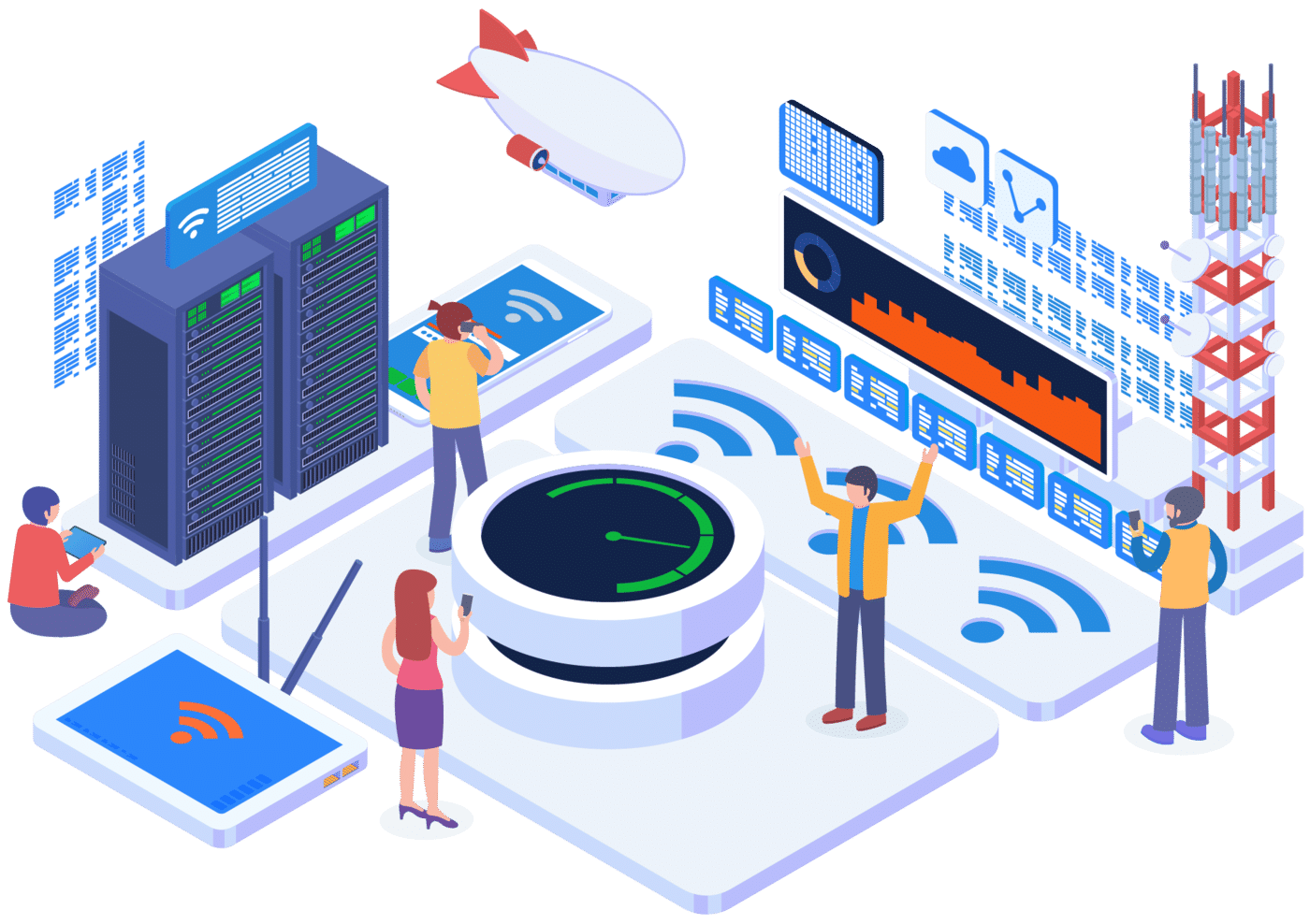
Exploring the Science of Connectivity: How Relationships Influence Our Lives
The concept of connectivity goes beyond mere social interactions; it delves into the intricate web of relationships that shape our perceptions and decisions. Numerous studies have shown that our personal connections can significantly influence our mental health, productivity, and even longevity. For instance, strong relationships foster a sense of belonging and support, which is essential for resilience in the face of life's challenges. Furthermore, emotional bonding can lead to improved cognitive functions and emotional stability, thus emphasizing the essential role of interpersonal relationships in our lives.
Moreover, the science of connectivity highlights the impact of our social networks on various aspects of our existence. According to a report from the American Psychological Association, individuals with rich social ties have a more profound sense of life satisfaction. Positive relationships can drive motivation and creativity, leading to enhanced performance in personal and professional settings. As we explore these connections, it becomes clear that nurturing our relationships not only enriches our individual experiences but also contributes to a more harmonious and fulfilling community.
Counter-Strike is a highly popular first-person shooter game that pits teams of terrorists against counter-terrorists in various mission scenarios. Players can improve their skills and strategies while working together to complete objectives or eliminate opponents. For the latest gaming gear, check out the Top 10 iphone 16e accessories to enhance your gaming experience.
The Impact of Technology on Human Connectivity: A Double-Edged Sword
The advent of technology has profoundly reshaped the way we connect with one another, creating both opportunities and challenges. On one hand, advancements such as social media platforms and instant messaging applications have made it easier than ever for individuals to communicate across vast distances. Friendships can be maintained despite geographical barriers, and families can stay in touch regardless of their locations. For example, video conferencing tools like Zoom and Skype allow for face-to-face interactions that were unimaginable just a few decades ago, strengthening personal and professional relationships alike.
However, this reliance on digital communication presents significant drawbacks, posing a threat to authentic human interaction. The pervasive use of smartphones and social media can lead to feelings of isolation and loneliness, as individuals may prioritize online interactions over meaningful, in-person engagements. Research has shown that excessive screen time can adversely affect mental health, leading to increased anxiety and depression. Ultimately, the impact of technology on human connectivity is a double-edged sword, where the benefits of enhanced communication come with the risk of diminishing genuine connections.
What Does it Mean to be Truly Connected in Today's World?
In today's fast-paced digital landscape, being truly connected transcends mere physical interactions. It involves fostering deep emotional bonds and a sense of community, even when miles apart. Unlike previous generations, where connection was often limited to face-to-face interactions, technology enables us to maintain relationships through various platforms. Video calls, social media, and instant messaging have become vital tools in keeping our loved ones close. Yet, it’s essential to strike a balance between online and offline engagement to ensure that these connections are meaningful and fulfilling.
Furthermore, being truly connected means actively engaging with others and showing genuine interest in their lives. This can take form in various ways:
- Being present during conversations, whether in person or virtually.
- Listening attentively and showing empathy towards others' experiences.
- Participating in community activities or groups that align with your interests.
Ultimately, fostering authentic relationships in our lives requires effort, commitment, and the willingness to engage authentically, allowing us to thrive both individually and collectively in this interconnected world.